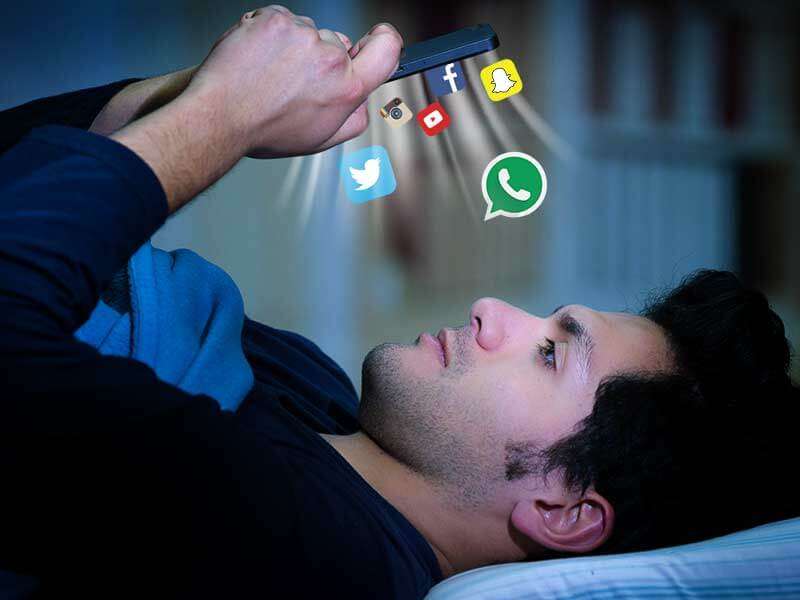
In today’s world, mobile phones are part of everyday life. However, for some people, controlling phone usage becomes difficult. This can lead to endless scrolling, gaming, social media use, browsing, or constant checking of messages, which may begin to affect sleep, emotions, relationships, studies, work, and daily responsibilities.
At Ahana Hospitals, we understand that excessive phone use is not always just a matter of poor discipline. It may also be linked to stress, loneliness, anxiety, boredom, sadness, or the need for constant distraction. Our Addiction psychiatry services are designed to support individuals dealing with behavioral dependency and related emotional difficulties.
Mobile addiction refers to the excessive use of phones in a way that becomes difficult to control, even after it starts affecting a person’s daily life. A person may feel the urge to check the phone repeatedly, spend more time on it than intended, and feel restless or uncomfortable when away from it.
This can be understood as a behavioral dependency because the activity feels emotionally rewarding and becomes hard to manage. Not everyone who uses a phone for long hours has an addiction, but when usage starts interfering with personal, academic, social, or emotional well-being, professional support may be helpful.
Common mobile addiction symptoms may include:
Excessive phone use can affect emotional well-being, relationships, and everyday functioning. Over time, it may reduce a person’s ability to stay focused, sleep well, communicate meaningfully, and manage responsibilities.
Overuse of mobile phones may contribute to irritability, emotional dependence, poor attention, stress, anxiety, low mood, and mental fatigue.
It can reduce healthy interaction with family members and lead to arguments, isolation, and difficulty maintaining real-life relationships.
Late-night phone use can disturb sleep, which may then lead to daytime tiredness, poor concentration, reduced productivity, and weak decision-making. Students may notice poor academic performance, while adults may struggle at work.
Teenagers and students may develop unhealthy dependence on social media, gaming, texting, or video content. This can affect sleep, discipline, confidence, study habits, and behavior at home.
Young adults who feel the need for constant stimulation, entertainment, or validation through their phones may experience emotional and lifestyle difficulties because of overuse.
Professionals who are constantly exposed to emails, chats, alerts, and digital communication may develop unhealthy phone habits that affect stress levels and overall well-being.
Individuals dealing with anxiety, depression, loneliness, or poor sleep may start relying on their phones as a coping mechanism. In such cases, treatment can help address both the habit and the emotional causes behind it.
Parents often seek help when children become irritable, secretive, distracted, sleep-deprived, or emotionally dependent on screens.
At Ahana Hospitals, the treatment plan is tailored to the patient’s age, daily routine, emotional concerns, and the severity of phone dependency.
A mental health professional begins with a detailed assessment of usage patterns, triggers, emotional concerns, sleep issues, and related mental health symptoms.
Counselling helps patients understand their behavior, emotional attachment to screens, and the deeper reasons behind unhealthy mobile use.
Behavioral therapy focuses on reducing screen time, identifying triggers, building healthier habits, and improving self-control.
For teenagers, students, and some adults, family support plays an important role. Guidance is provided to help families reduce conflict and support recovery in a balanced way.
Treatment may include structured routines, healthier sleep habits, exercise, non-screen activities, reduced distractions, and practical screen-time limits.
Regular follow-up sessions help patients maintain progress, strengthen healthier habits, and prevent relapse into excessive usage.
Our team helps patients return to healthier routines, improve focus, rebuild confidence, and function better in daily life.
It may be time to seek professional support when phone usage starts affecting sleep, mood, concentration, studies, work, family interactions, or emotional stability. Help is also important when repeated attempts to reduce usage have failed or when a child becomes highly distressed without access to a phone.
If you or your loved one is struggling with excessive mobile phone use, Ahana Hospitals offers compassionate support, professional treatment, and family guidance to help you move toward a healthier and more balanced life.
Book an AppointmentMobile addiction refers to excessive phone use that becomes difficult to control and starts affecting sleep, emotions, relationships, studies, work, or daily responsibilities.
Treatment may be needed when mobile usage continues to disturb sleep, concentration, emotions, academic performance, work performance, or relationships despite repeated efforts to reduce it.
Yes. Excessive mobile use may increase stress, irritability, poor sleep, anxiety, mental preoccupation, and emotional dependency.
Yes, mobile addiction treatment for teenagers is available at Ahana Hospitals.
Treatment may include psychiatric assessment, counselling, behavioral therapy, family support, and practical strategies for managing screen time.
Parents can help by creating routines, reducing unnecessary conflict, encouraging offline activities, improving sleep habits, and seeking professional guidance when required.
No. Early support is often more effective than waiting until the problem becomes more serious.
The duration depends on the individual. Some may improve within a shorter period, while others may need longer-term support and follow-up.
For broader mental health information, you can read the WHO Mental Health resource .

 NABH Certified